
Which Catholic Bible Is Right for You?
TAN offers four Catholic Bible translations, each with its own strengths in prayer, study, theology, liturgical continuity, and daily reading. Compare them below to find the one that fits how you read and pray.
Every One Complete. Each One Distinct.
All four contain the full 73-book Catholic canon. They differ in source text, style, and purpose.
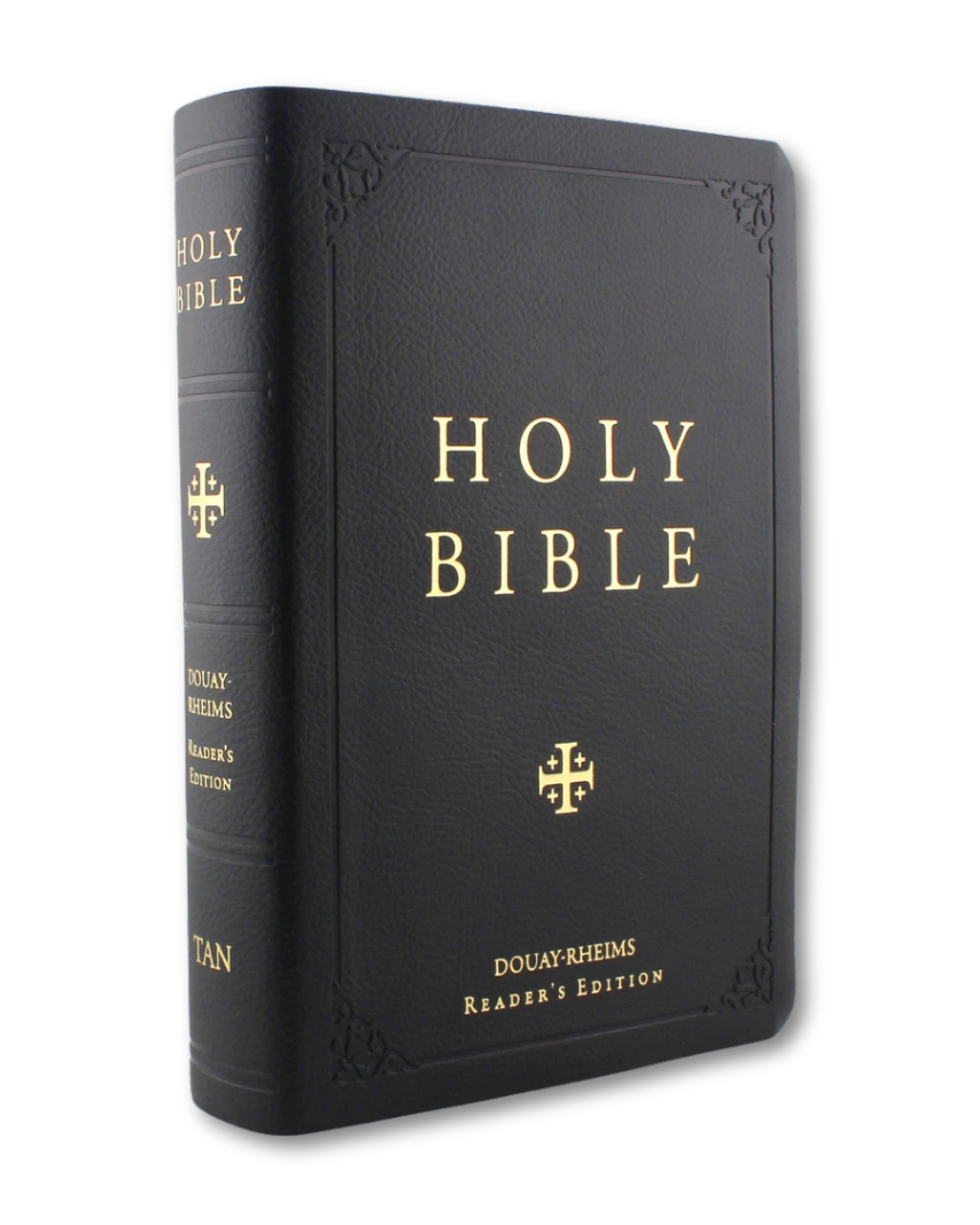
Douay-Rheims
The historic English Catholic Bible rooted in the Latin Vulgate, treasured for its reverence, traditional language, and continuity with centuries of Catholic prayer.
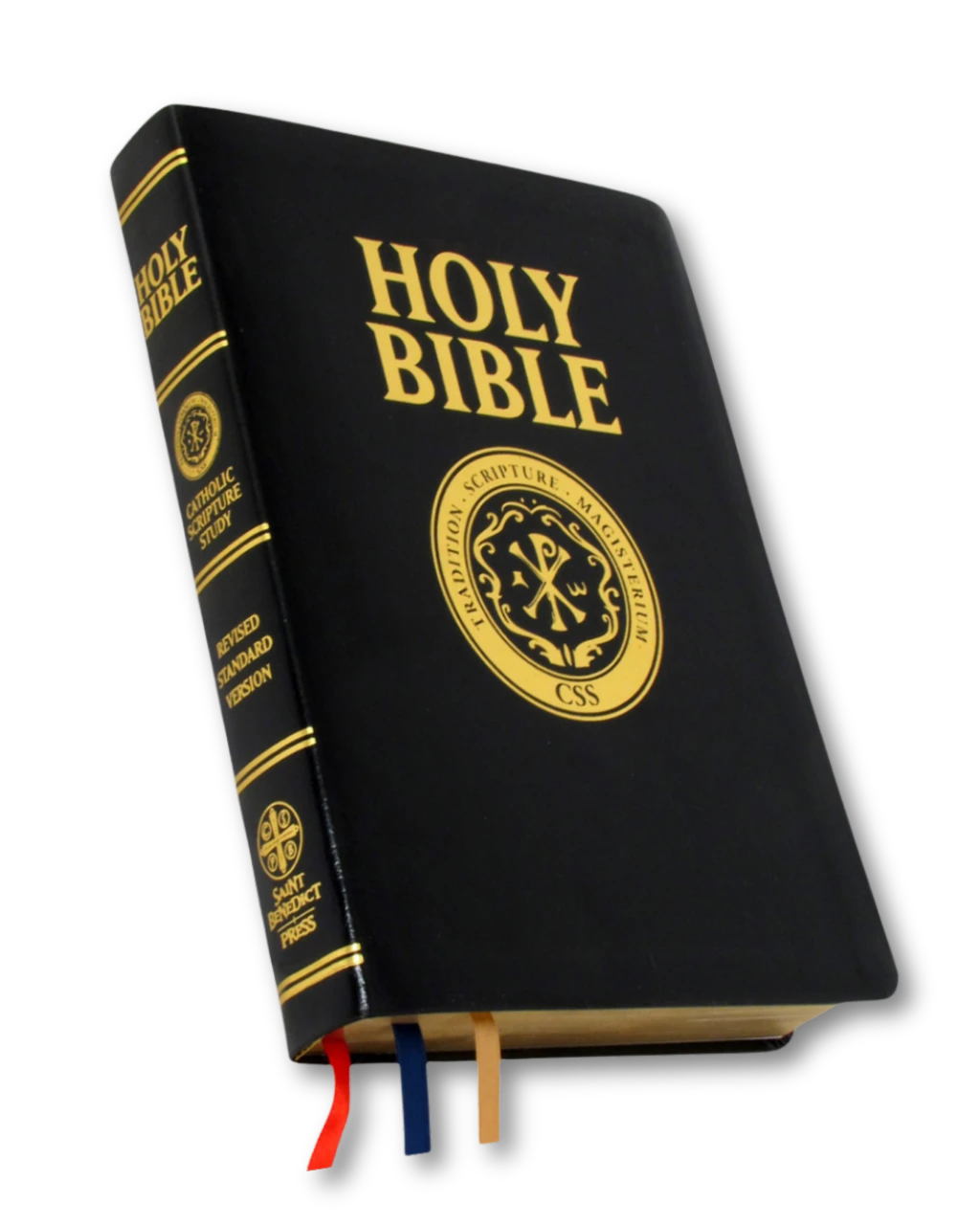
RSV-CE
A formal and dignified Catholic translation known for its precision, literary quality, and usefulness in theology, apologetics, and serious study.
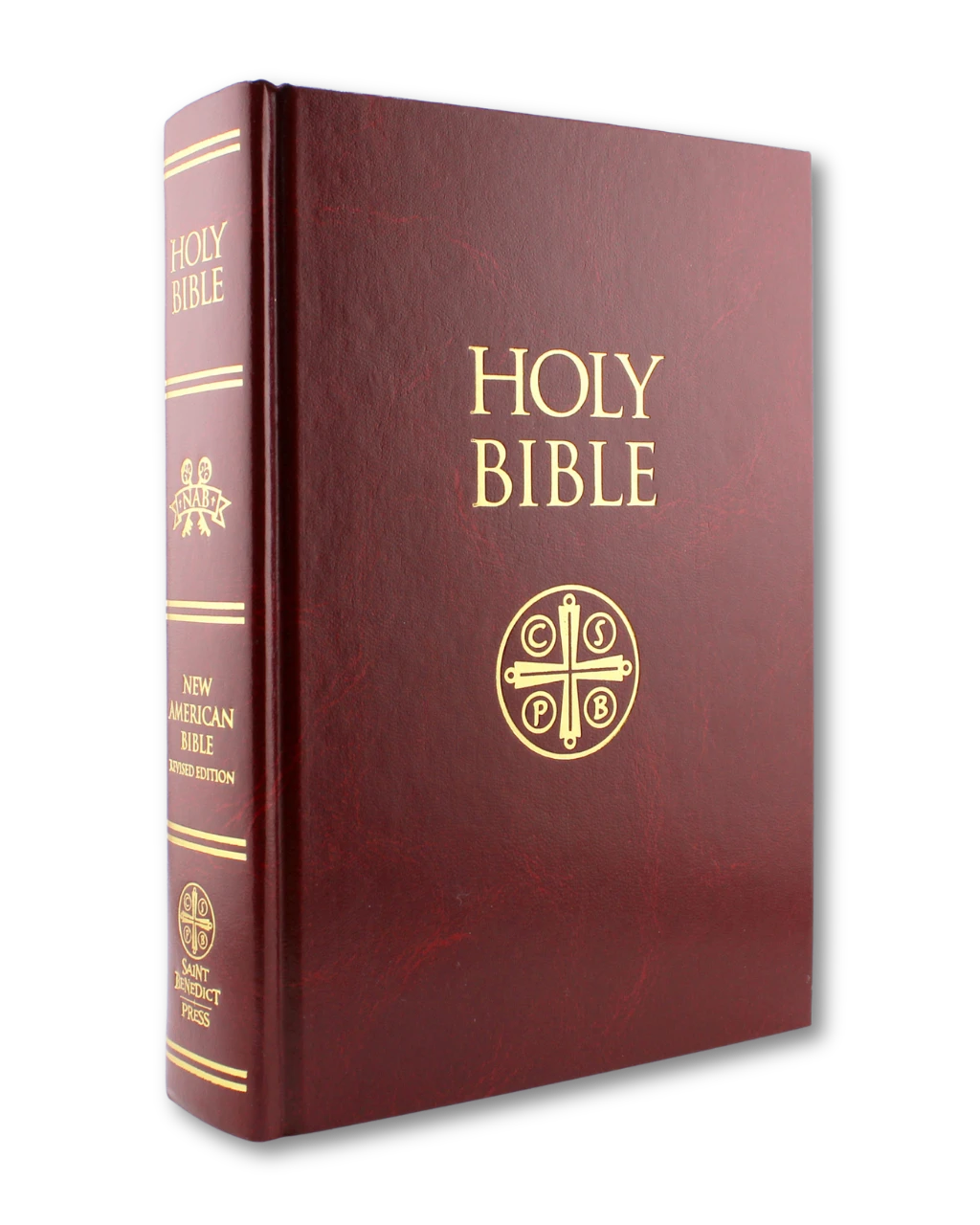
NABRE
A modern American Catholic translation combining accessible language, extensive study notes, and the insights of contemporary biblical scholarship.
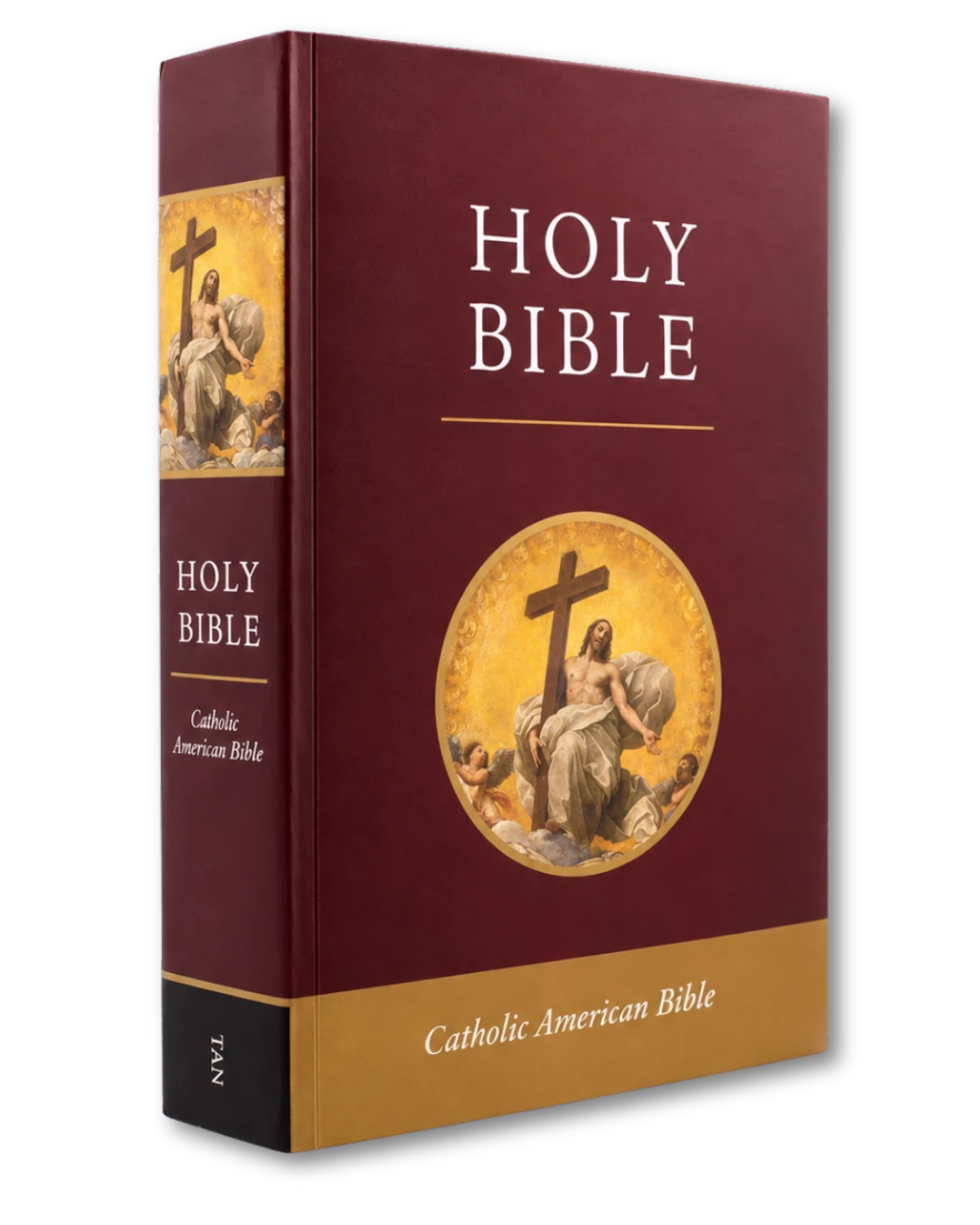
CAB
A new American Catholic translation bringing one Scripture text to worship, prayer, study, catechesis, and personal reading.
One Verse, Four Voices
The angel Gabriel’s greeting to Mary in Luke 1:28, the verse behind the Hail Mary, as each translation renders it.
“And the angel being come in, said unto her: Hail, full of grace, the Lord is with thee: blessed art thou among women.”
“And he came to her and said, ‘Hail, full of grace, the Lord is with you!’”
“And coming to her, he said, ‘Hail, favored one! The Lord is with you.’”
“And the angel entered and said to her, ‘Hail, favored one! The Lord is with you.’”
The Greek word here, kecharitōmenē, carries a depth no single English phrase fully captures, which is why translators have chosen different words to bring it out.
Why Do Catholic Bible Translations Differ?
Every complete Catholic Bible contains the same 73 inspired books, including the seven Deuterocanonical books of the Old Testament. What differs is how translators approach the ancient texts, which textual traditions they consult, and how closely they preserve the wording and structure of those sources in English.
The Latin Vulgate
St. Jerome’s Latin translation of Sacred Scripture became the foundational biblical text of the Western Church for centuries. The Douay-Rheims was translated principally from this tradition, giving it a distinctive continuity with the language of historic Catholic theology, liturgy, prayer, and spiritual writing.
Hebrew, Aramaic & Greek
Modern Catholic translations ordinarily work directly from the biblical source languages, drawing on the best available manuscript traditions and advances in biblical scholarship. This can illuminate linguistic details, historical context, and distinctions that are difficult to carry from one language into another.
Precision, Readability, and the Balance Between Them
Formal Equivalence
Often described as a more word-for-word approach, formal equivalence seeks to preserve the vocabulary, structure, and distinctions of the source text wherever good English permits. It is particularly useful for close reading, theology, apologetics, and serious Scripture study.
Dynamic Equivalence
Other translations place greater emphasis on capturing the overall meaning or 'thought-for-thought' in clear, modern English. This can make extended reading easier, though it sometimes requires the translator to make more interpretive decisions in rendering the text.
Catholic Bible Comparison
Each translation contains the complete Catholic canon, but each approaches language, source tradition, study, and devotional use differently.
| Feature | Douay-Rheims | RSV-CE | NABRE | CAB |
|---|---|---|---|---|
| Full Version Name | Douay-Rheims 1899 American Edition | Revised Standard Version, Catholic Edition | New American Bible, Revised Edition | Catholic American Bible |
| Translation tradition | Historic English Catholic | Formal-equivalence Catholic | Modern American Catholic | Unified American Catholic |
| Primary source | Latin Vulgate | Hebrew, Aramaic, and Greek | Hebrew, Aramaic, and Greek | Hebrew, Aramaic, and Greek |
| Language style | Traditional, elevated, historic | Formal, literary, precise | Contemporary, readable, scholarly | Contemporary American English |
| Best for | Prayer, devotion, traditional reading | Study, theology, apologetics | Study, parish use, accessible reading | Prayer, catechesis, family use, liturgical continuity |
| Study emphasis | Traditional Catholic reading and spiritual use | Strong for close textual study | Extensive scholarly notes and introductions | Worship, prayer, study, and catechetical continuity |
| Liturgical use (U.S.) | Historic devotional text | Private reading and study | Approved for private prayer and study | Approved for Mass, the Liturgy of the Hours, and personal use |
| Ideal reader | Readers seeking continuity with traditional Catholic language | Students, apologists, and theology readers | Readers seeking accessibility and scholarship | Families, catechists, and Catholics seeking a common American text |
On a phone? Swipe the table to see all four →
Douay-Rheims Bible
For centuries, this was the Bible of English-speaking Catholics: the Scripture read, prayed, and memorized by generations of the faithful, which is why it is often called the Bible of the Saints.
First published by English Catholic scholars during the Reformation, the Douay-Rheims preserves a direct connection to the Latin Vulgate tradition that shaped Catholic theology, liturgy, and spiritual writing for centuries.
Its elevated language and traditional Catholic vocabulary make it especially suited to prayer, meditation, spiritual reading, and Catholics who value continuity with the historic language of the Church.
RSV-CE Bible
The Revised Standard Version, Catholic Edition combines formal precision with dignified, readable English. Its close attention to the wording and structure of the biblical text makes it especially valuable for theology, apologetics, and serious study.
For readers who want a translation that keeps a traditional biblical character without relying on archaic English, the RSV-CE offers an excellent balance.
NABRE Bible
The New American Bible, Revised Edition combines contemporary English with substantial introductions, notes, and scholarly resources that help Catholics understand the historical and literary context of Scripture.
It is especially suited to Bible study, parish settings, classroom use, and readers who want an approachable translation supported by modern Catholic biblical scholarship.
CAB Bible
The Catholic American Bible is being prepared as a unified Scripture text for Catholic worship, prayer, study, catechesis, and devotional life in the United States. It builds on the New American Bible tradition while bringing the Scripture Catholics hear, pray, and study into one text.
- One text for Mass, the Liturgy of the Hours, and personal reading
- Psalms drawn from the Abbey Psalms and Canticles
- A newly revised New Testament with updated introductions and notes
A Bible for a Lifetime of Prayer and Study
Whether you seek the language of Catholic tradition, precision for serious study, accessible biblical scholarship, or greater continuity between Scripture and the liturgical life of the Church, TAN offers an edition suited to the way you read and pray.
Find the Right Bible for Every Reader
Already know your translation, or shopping for someone else? Browse by format and reader, from first Bibles for children to companions for deeper study.