For more than four centuries, the Douay-Rheims Bible has held
a treasured place in the lives of English-speaking Catholics. Translated
from the Latin Vulgate, it preserves a distinctly Catholic scriptural
tradition in language marked by dignity, reverence, and theological precision.
Rooted in the Church's historic biblical tradition, the
Douay-Rheims Bible has formed generations of Catholics in prayer,
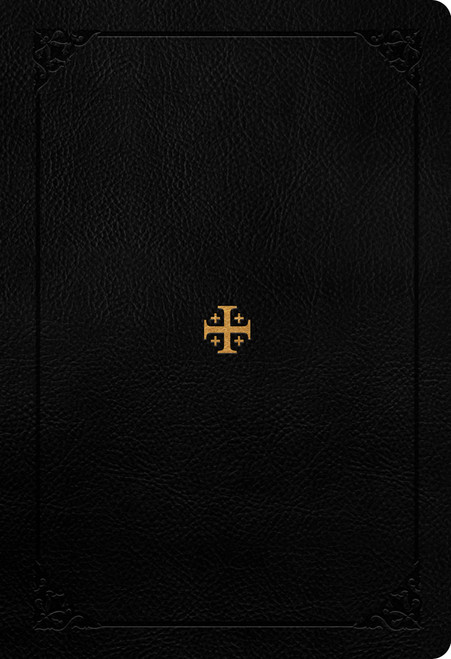
study, apologetics, and spiritual reading. Explore TAN Books' editions
designed for daily use, family reading, study, and lasting heirloom gifts.
Frequently Asked Questions
About the Douay-Rheims Bible
First published by English Catholic scholars during the Reformation, the Douay-Rheims Bible was prepared so that Catholics could read Sacred Scripture in their own language while remaining firmly rooted in the Church's biblical and theological tradition.
Its New Testament was published at Rheims in 1582, followed by the Old Testament at Douay in 1609 and 1610. The translation was based principally on the Latin Vulgate, the scriptural text that shaped the liturgy, theology, preaching, and spiritual life of the Western Church for centuries.
In the eighteenth century, Bishop Richard Challoner revised the text to make its English clearer and more accessible while preserving its distinctly Catholic character. Most Douay-Rheims Bibles read today descend from Challoner's revision.
What is the Douay-Rheims Bible?
The Douay-Rheims Bible is the historic English Catholic translation of Sacred Scripture produced by scholars associated with the English College during the Reformation.
The New Testament was published at Rheims in 1582, while the Old Testament was published at Douay in 1609 and 1610. Together, these volumes became known as the Douay-Rheims Bible.
Why was the Douay-Rheims Bible created?
The Douay-Rheims was produced during a period of intense religious upheaval following the Protestant Reformation. English Catholics sought a reliable translation of Sacred Scripture that could be read in their own language while remaining faithful to Catholic doctrine and the Church's biblical tradition.
The translators intended the Bible to serve Catholics in prayer, instruction, spiritual reading, and the defense of the Faith.
Who translated the Douay-Rheims Bible?
The translation was undertaken by Catholic scholars associated with the English College founded at Douay by William Allen.
Gregory Martin performed the principal work of translation, with other English Catholic scholars assisting in the review and revision of the text.
What is the connection between the Douay-Rheims and the Latin Vulgate?
The Douay-Rheims was translated principally from the Latin Vulgate, the Latin Bible that served the Western Church for centuries.
Because of this close relationship, the Douay-Rheims preserves much of the biblical vocabulary found throughout traditional Catholic theology, prayer, spiritual classics, devotional works, and the writings of the saints.
Who was Bishop Richard Challoner?
Bishop Richard Challoner was an eighteenth-century English Catholic bishop who undertook an extensive revision of the Douay-Rheims Bible.
He modernized older expressions, clarified difficult constructions, and improved readability while preserving the Catholic character of the translation. Most editions of the Douay-Rheims in use today descend from Challoner's revised text.
Why do Catholics still read the Douay-Rheims Bible?
Many Catholics treasure the Douay-Rheims because of its close relationship with the Latin Vulgate, its traditional Catholic vocabulary, and its centuries-long place within English-speaking Catholic life.
Its elevated language also provides continuity with older Catholic prayer books, spiritual classics, theological works, and devotional literature.
Is the Douay-Rheims Bible difficult to read?
The Douay-Rheims uses a more formal and traditional style of English than contemporary Bible translations. Readers will encounter words such as thee, thou, and thy, as well as sentence structures from an earlier period of English.
Many readers find that this language becomes familiar quickly and gives Sacred Scripture a solemn and memorable character particularly well suited to prayer and meditation.
Does the Douay-Rheims contain all 73 books of the Catholic Bible?
Yes. The Douay-Rheims contains the complete Catholic canon of Sacred Scripture: 46 books of the Old Testament and 27 books of the New Testament.
This includes the deuterocanonical books and passages received as Sacred Scripture by the Catholic Church.
Which Douay-Rheims Bible should I choose?
The best Douay-Rheims edition depends on how you intend to use your Bible.
For daily reading: choose an edition with a clear typeface and durable binding.
For prayer and devotional reading: consider a premium edition designed for years of regular use.
For study: look for an edition with helpful notes, references, or supplemental material.
For travel or carrying to Mass: choose a compact edition that balances portability with readability.
For gifting: a finely bound edition can serve as a lasting Catholic keepsake or family heirloom.


 This product is currently on backorder


 Choose Options


 Choose Options
